
How Long Does a Personal Injury Case Take in Utah and Arizona?
A personal injury case in Utah or Arizona can take several months to resolve through settlement, while a disputed lawsuit may take a year or longer. Serious injuries, lengthy treatment, and trial scheduling can extend that timeline further. These are planning estimates, not guaranteed deadlines: the circumstances of your injury and the insurer’s response determine how quickly the matter progresses.
Waiting becomes harder when medical bills arrive and missed work reduces your income. At Alta Legal, we help injured clients understand the steps between reporting an accident and receiving compensation. A personal injury claim seeks payment for harm caused by another party’s wrongful conduct; it may resolve through insurance negotiations or require a lawsuit.
Before accepting an offer simply to get bills paid, schedule a free consultation with us. Our personal injury attorney can assess the available evidence, identify filing deadlines, and explain what must happen before you can make an informed settlement decision.
What Happens During the First Weeks?
Early work usually involves identifying the responsible parties, notifying insurers, and collecting evidence. Accident reports, photographs, witness accounts, and available video can help establish what happened. Insurance coverage also needs review because the policy involved may affect the available compensation and the negotiation process.
Some records arrive quickly; others require repeated requests. A collision involving several vehicles or a commercial truck may demand more investigation than a straightforward crash. Evidence collection should begin promptly even if treatment will continue for months, since video may be overwritten and witnesses’ memories can fade.
When an insurer questions how the accident occurred, our accident attorney examines the records supporting responsibility and challenges unsupported assumptions. Resolving that dispute early can make negotiations more productive, although agreement about fault alone does not establish the value of the injuries.
Why Medical Recovery Often Sets the Pace
A settlement should account for more than the bills already received. Ongoing therapy, additional surgery, lasting limitations, and future care may substantially change the amount a claim can support. Settling before these issues become reasonably clear can leave an injured person paying later expenses without another opportunity to recover from the released parties.
Doctors may describe a patient as reaching maximum medical improvement when further substantial recovery is not expected. This does not necessarily mean complete recovery or the end of treatment. Instead, it can help clarify permanent limitations and anticipated care, making the losses easier to evaluate.
Medical documentation allows our injury attorney to connect the injury with its practical consequences, including restrictions on work and daily activities. Investigation and deadline monitoring can continue during treatment; waiting for medical clarity should never mean allowing the time to file a lawsuit to expire.
How Long Do Settlement Negotiations Take?
Once the necessary records are available, a settlement demand can explain responsibility, document losses, and request compensation. The insurer then reviews the submission and may seek additional information, make an offer, or dispute part of the claim. Negotiations can take weeks or months, depending on what remains unresolved.
A demand is not a payment order. The insurer may challenge whether treatment was related to the accident, whether expenses were reasonable, or whether future losses are supported. Missing wage records and incomplete medical opinions can also slow progress, even when everyone agrees the accident caused an injury.
Our personal injury lawyer evaluates an offer against the documented losses and explains the consequences of signing a release. Our personal injury practice and related services address different injury circumstances, but each claim requires its own evidence and valuation rather than a standard settlement timetable.
A shorter case is not automatically a better result. For someone facing permanent disability, the additional time needed to obtain a reliable prognosis may be essential to valuing future care and lost earnings. Conversely, unnecessary delay should be questioned. Ask what information is missing, who must provide it, and how it affects the next decision.
Filing Deadlines Differ Between the Two States
The statute of limitations sets the time for starting a lawsuit, not the time by which a settlement must occur. Ordinary negligence injury claims in Utah generally fall under the four-year period in Utah Code Section 78B-2-307. Arizona generally allows two years after the cause of action accrues under Arizona Revised Statutes Section 12-542. Different claims and exceptions can change those deadlines.
Claims involving government bodies require particular attention. Arizona’s notice-of-claim statute generally requires a qualifying claim against a public entity or employee within 180 days after accrual. Separate lawsuit deadlines also apply. Utah government claims have their own notice and filing requirements, so the ordinary four-year period should not be assumed.
With our personal injury claim attorney reviewing the claim type and relevant dates, deadline planning can happen alongside treatment and negotiations. Insurance discussions generally do not pause the filing clock. A lawsuit may therefore need to be filed while efforts to reach a settlement continue.
What Changes When a Lawsuit Is Necessary?
Filing begins a formal court process involving service, a response, and evidence exchange. During discovery, the parties may obtain documents, question witnesses under oath, and arrange medical or technical evaluations. Court motions, mediation, and trial preparation can add further stages before the dispute is resolved.
For example, Utah Rule of Civil Procedure 26 establishes discovery tiers with different limits and schedules. Those discovery periods represent only part of the lawsuit, rather than a deadline for finishing the entire case. Arizona proceedings likewise depend on applicable rules and the court’s scheduling orders.
Filing does not mean a trial is inevitable. Evidence uncovered during litigation may bring the parties closer to agreement. If settlement remains unavailable, the court’s calendar, witness availability, and contested motions can affect the trial date; an appeal may extend the process beyond judgment.
Our accident lawyer assesses whether further negotiation or litigation better serves the claim as the evidence develops. You can learn more about the attorneys handling injury matters through our team, including their backgrounds in representing clients in both states.
How Can You Keep the Case Moving?
Follow your treatment plan and tell your medical providers about continuing symptoms. Save receipts, record missed work, and share new insurance correspondence promptly. If an appointment is missed or treatment changes, explain why so the records reflect what happened. Regular updates should identify completed steps, unresolved issues, and the next expected milestone. Ask whether the current estimate depends on finishing treatment, receiving records, or obtaining a court date. Knowing that dependency helps you distinguish necessary waiting from a task that needs follow-up.
When Does the Settlement Money Arrive?
An accepted offer does not always produce immediate payment. The parties must complete the release and any required dismissal documents, and the insurer must issue funds. Medical liens, reimbursement claims, and outstanding balances may need resolution before the client’s share can be distributed.
Keeping treatment records, bills, and wage information organized can reduce avoidable delays. Prompt responses to document requests also help. Before signing, ask what deductions may apply, what remains unresolved, and when distribution is reasonably expected.
Make the Next Decision With Clear Information
You deserve to understand what is delaying your claim and what each next step could accomplish. Alta Legal can review the evidence, explain the deadlines, and help you weigh a proposed settlement against the losses your records support. Bring your accident information and any insurance correspondence to a free consultation, and contact us today to discuss your next step.
A car accident in Utah does not automatically give someone the right to file a lawsuit for every injury or expense. Utah uses a no-fault insurance system, so personal injury protection, or PIP, generally pays certain initial losses regardless of who caused the crash. A lawsuit may become available when another party was negligent, the injuries satisfy Utah’s legal threshold for pursuing general damages, and there are recoverable losses that can be tied to the collision. At Alta Legal, we help injured people determine whether their case should remain an insurance claim or move into litigation.
Utah law generally permits a claim for general damages when an injured person meets at least one statutory threshold, such as death, dismemberment, permanent disability or impairment based on objective findings, permanent disfigurement, a fracture, or medical expenses exceeding $3,000. Medical records therefore matter when determining whether a lawsuit is available. Our car accident attorney team can review the crash, treatment history, insurance coverage, and available evidence before you decide how to proceed.
If you are already dealing with medical bills, time away from work, or pressure from an insurer, you do not have to evaluate the claim alone. Schedule a free consultation with our firm to find out whether your injuries and losses may support compensation beyond available PIP benefits.
Utah’s No-Fault System Comes First
PIP is a required part of many Utah auto insurance policies and can cover medical expenses, lost income, and certain essential services. The Utah Insurance Department explains that people injured in a covered vehicle generally submit the first $3,000 in medical expenses to the insurance company covering that vehicle before pursuing the responsible driver’s insurer. This system is intended to provide initial benefits without making an injured person first establish fault.
PIP does not mean the at-fault driver can never be held financially responsible. When the statutory injury threshold is met, the injured person may pursue general damages arising from the accident. Utah Code Section 31A-22-309 identifies qualifying conditions, including certain permanent injuries, fractures, and medical expenses above $3,000. Our personal injury lawyer team can compare those requirements with the medical evidence and determine whether a claim can extend beyond no-fault benefits.
You Still Need Evidence of Fault
Meeting Utah’s injury threshold is only one part of a successful lawsuit. The person seeking compensation generally must also establish that another person or entity acted negligently and that the negligence caused the crash and resulting injuries. Relevant evidence may include the police report, photographs, witness statements, vehicle damage, traffic-camera footage, and phone records.
Fault disputes can arise even when one driver appears responsible at the scene. An insurer may argue that its policyholder did not cause the crash, that both drivers contributed to it, or that the claimed injuries came from another event. Our auto accident attorney team can evaluate the evidence as a whole rather than relying solely on an insurer’s initial fault determination.
Partial Fault Does Not Always End the Claim
Utah follows a comparative negligence rule. Under Utah Code Section 78B-5-818, fault may be allocated among the person seeking recovery, defendants, and certain other parties. The Utah Insurance Department explains the practical result for auto claims: an injured person can generally recover damages if that person is less than 50 percent at fault, but the recovery may be reduced according to the percentage of fault assigned to that person.
For example, a person with $100,000 in proven damages who is assigned 20 percent of the fault may have the recoverable amount reduced to reflect that share. Those percentages matter during settlement negotiations and at trial. Our accident lawyer team can examine how the collision occurred and challenge fault allegations that are not supported by the available evidence.
A Lawsuit May Be Necessary When Settlement Talks Stall
Many Utah car accident cases are resolved through insurance without a trial. The responsible driver’s insurer may investigate the collision, review medical records, evaluate fault, and make a settlement offer. The Utah Insurance Department notes that a third-party insurer may offer a settlement when it concludes that its insured is legally responsible for the injuries or damage.
A lawsuit may become appropriate when the insurer denies liability, disputes whether treatment was related to the collision, places excessive fault on the injured person, or offers an amount that does not reasonably account for documented losses. Filing suit also provides formal procedures for obtaining evidence and presenting disputed issues to a court. Our personal injury attorney team can assess whether continued negotiation makes sense or whether litigation is warranted.
What Compensation Can Be Pursued?
The damages available after a Utah car accident depend on what the evidence can establish. Economic losses may include medical expenses, rehabilitation costs, lost earnings, reduced earning capacity, and vehicle or other property damage. When Utah’s threshold for general damages is satisfied, a claim may also include non-economic losses such as physical pain and the effects of the injury on daily life.
A claim should not be valued only by bills already received. Future treatment, lasting limitations, time away from work, and the possibility of additional medical care may change the financial effect of an injury. We review these factors and, when appropriate, work with medical or financial professionals to document losses before a demand or lawsuit is prepared.
Do Not Assume You Have Unlimited Time
Deadlines matter even when settlement discussions are ongoing. The Utah Insurance Department states that bodily injury claims arising from an auto accident generally must be settled or placed into a lawsuit within four years from the accident. Utah law also provides a four-year period for claims involving damage to a motor vehicle or other personal property arising from a motor vehicle accident. Different deadlines may apply, including for claims involving a government entity.
Waiting can create problems long before the filing deadline itself. Video may be erased, witnesses may become harder to locate, damaged vehicles may be repaired or disposed of, and important records can become more difficult to obtain. Our car accident lawyer team can identify the applicable deadlines and begin gathering evidence while it is still available.
Evidence Can Determine Whether a Claim Holds Up
Useful evidence often starts with what is created immediately after the crash. Medical records can connect treatment to the collision, while photographs may show impact points, roadway conditions, visible injuries, and vehicle damage. Police reports and witness information may help establish how the crash occurred. Employment records, pay statements, repair estimates, and receipts can document financial losses.
We recommend keeping copies of insurance correspondence, medical bills, treatment instructions, prescription receipts, repair documents, and records showing missed work. Our Utah team can review these materials, identify gaps, and determine what additional evidence may be needed before presenting the claim.
Know When It Is Time to Take the Claim Further
A Utah car accident lawsuit may be appropriate when another party caused the collision, the legal threshold for pursuing general damages is met, and insurance alone does not fairly address the losses supported by the evidence. The decision depends on more than injury severity; fault, available coverage, medical documentation, deadlines, and the insurer’s position all matter. At Alta Legal, we help injured clients assess those factors and choose a course based on the facts of the case. If you were hurt in a Utah crash and want us to review your legal options, contact us today for a free consultation.
 A sudden death caused by another person’s conduct leaves a family with grief, financial strain, and urgent legal questions. In Utah, wrongful death generally qualifies when a person dies because of another party’s wrongful act, neglect, or default. Alta Legal helps families assess whether a death tied to a crash, workplace incident, unsafe property condition, defective product, or other preventable event may support a civil claim.
When a Death Qualifies Under Utah Law
Utah law allows a wrongful death action when the facts show that the person could have brought an injury claim if they had survived. That means the case usually depends on proof of fault, causation, and damages. A driver who runs a red light, a business that ignores a serious safety hazard, or another party whose conduct causes a fatal injury may create grounds for a claim.
Families should not wait until every document is collected before asking questions. Early legal review can help preserve evidence, identify insurance coverage, and prevent missed deadlines. To review whether your family may have a claim, contact us today and speak with our team about the next practical step.
Who May Bring a Claim
Utah’s wrongful death statute allows the personal representative of the deceased person to bring a claim for the benefit of the heirs. Utah law separately defines heirs to include certain surviving family members, such as a spouse, children, parents, and qualifying dependent stepchildren. When family roles, estate questions, or dependency issues need to be sorted out, our wrongful death lawyer can help determine who may have a legal right to participate in the claim.
What Must Be Proven
A wrongful death claim is not based only on the fact that someone died. The evidence must connect the death to another party’s conduct. That proof may include crash reports, witness statements, medical records, employment records, safety policies, photographs, video footage, and professional analysis when technical issues are involved. Our practice areas include injury matters where careful documentation can make the difference between an unsupported accusation and a well-developed claim.
Common Events That May Lead to Wrongful Death Claims
Many wrongful death claims arise from preventable events. Fatal car crashes, truck collisions, workplace injuries, unsafe premises, medical mistakes, defective products, and acts of violence can all qualify if the evidence supports legal fault. Our wrongful death attorney can evaluate whether the loss involves negligence, intentional misconduct, or another legal basis for compensation.
What Compensation May Address
Utah law allows damages that are just under the circumstances. In practical terms, compensation may address funeral expenses, medical bills tied to the final injury, lost financial support, loss of companionship, and other harms recognized by law. In some situations, a separate survival claim may address claims that belonged to the deceased person before death. Families can read Utah’s wrongful death and survival action statutes through the Utah Legislature’s official code pages.
Why Timing Matters
Deadlines can affect whether a family may bring a wrongful death case. Evidence can also become harder to obtain as time passes, especially when businesses overwrite video, vehicles are repaired, or witnesses become difficult to reach. Working with our personal injury lawyer early can help preserve important information and keep the claim organized from the start. You can also learn more about the attorneys who guide clients through serious injury matters on our team page.
A Clearer Path After a Preventable Loss
Wrongful death law cannot undo a family’s loss, but it can create a legal path for accountability and financial recovery when another party caused the death. Alta Legal brings over 40 years of combined experience to injury claims, with a focus on clear communication, careful preparation, and personal attention. If your family needs answers after a fatal incident, contact us today through our contact page so our firm can review the facts and explain what may come next.
 A crash with a commercial truck is rarely handled like a typical two-car collision. The vehicle is larger, the injuries may be more serious, and the claim can involve a driver, trucking company, maintenance vendor, cargo loader, insurer, and federal safety rules. At Alta Legal, we help injured clients understand why these cases require early investigation and careful legal work.
If you are recovering after a truck crash, contact us today so our firm can review the facts, preserve key evidence, and explain what compensation may be available.
More Than One Party May Be Responsible
A car accident claim often focuses on one driver’s mistake. A truck accident claim may involve several decisions made before the crash. The driver may have been speeding, tired, distracted, or poorly trained. The trucking company may have failed to inspect the vehicle, monitor the driver, keep records, or follow safety procedures.
That is why our work as your truck accident lawyer starts with identifying every person or business that may have contributed to the collision. A claim that only focuses on the driver may miss company records, added insurance coverage, and choices made by others. Our practice areas show how serious injury cases require close attention to liability and damages.
Federal Trucking Rules Can Matter
Commercial trucking is governed by rules that do not apply to ordinary passenger vehicles. The Federal Motor Carrier Safety Administration states that hours-of-service rules limit driving time and require rest periods to help drivers remain awake and alert. For property-carrying drivers, FMCSA guidance generally allows up to 11 hours of driving after 10 consecutive hours off duty, with other workday limits.
Those rules can affect the strength of a claim. Logbooks, electronic logging devices, dispatch records, GPS data, fuel receipts, and delivery schedules may show whether the driver or company followed the law. With our truck accident attorney guidance includes reviewing these records before they are lost, overwritten, or treated as routine paperwork.
The Evidence Is More Technical
Truck cases often depend on evidence that may not exist in a standard car accident claim. A tractor-trailer may have electronic control module data, inspection reports, repair histories, weight records, driver qualification files, and maintenance logs. Cargo placement can also matter because an unsecured or uneven load may affect braking, turning, and rollover risk.
FMCSA’s Large Truck Crash Causation Study was designed around detailed information about serious truck crashes, including events before the collision and factors tied to the driver, vehicle, and roadway. That is why a truck claim should not rely only on the police report. Our team can review the record and help determine what additional proof may be needed.
The Losses May Be Greater
The size and weight difference between a commercial truck and a passenger vehicle can lead to severe injuries. Treatment may include emergency care, surgery, therapy, long-term pain treatment, lost income, reduced earning capacity, and help with daily activities. These losses need clear documentation, not estimates from an insurance adjuster.
When we serve as your personal injury lawyer, we focus on the full effect of the injury, including medical records, employment records, future care needs, and the daily impact on the client and family. A strong claim should show both how the crash happened and what it has cost.
Time Can Change the Case
Truck accident evidence can disappear quickly. Vehicles may be repaired, electronic data may be overwritten, and company records may follow internal retention schedules. Early legal review can help preserve proof before it is lost and can help injured clients avoid statements or offers that do not reflect the full claim.
A Stronger Claim Starts With the Right Review
Truck accident cases are more complex because they involve heavier vehicles, more potential defendants, federal safety rules, technical records, and often more serious harm. Alta Legal helps clients handle these claims with clear communication, steady legal guidance, and practical preparation. If a truck crash has disrupted your health, work, or family life, contact us today so our firm can review your case and help you understand your legal options.
 When an injured person may have contributed to an accident, the claim does not automatically end. Utah and Arizona both use comparative negligence rules, which means fault can be divided and compensation can be reduced based on each party’s share of responsibility. At Alta Legal, we help clients understand how those rules can affect settlement value, trial strategy, and the evidence needed to support a claim. If you were hurt and are unsure how fault may be assigned, contact us today to discuss your options.
What Comparative Negligence Means
Comparative negligence is the rule courts use to reduce damages when an injured person is partly at fault. If a jury finds that you were 20 percent responsible, your recovery is generally reduced by 20 percent. That basic framework applies in both states, but Utah and Arizona do not follow the same version of the rule. Utah’s statute uses a modified system, while Arizona applies a pure comparative negligence system.
How Utah Handles Shared Fault
Utah follows a modified comparative negligence rule. Under Utah Code 78B-5-818, an injured person may recover only when their fault is less than the combined fault of the defendant and other allocated parties. In practical terms, if you are 50 percent or more at fault, you are barred from recovery. If you are 49 percent or less at fault, your damages are reduced by your percentage of fault.
That makes evidence especially important in Utah cases. A small shift in the fault percentage can decide whether compensation is available at all. Our Utah team works closely with injured clients to identify the facts that can affect those numbers, from crash reports to witness statements and medical records. In a case like this, our personal injury lawyer focuses not only on proving the other side acted carelessly, but also on limiting unfair blame placed on the injured person.
How Arizona Applies the Rule
Arizona uses pure comparative negligence. Under A.R.S. § 12-2505, an injured person can still recover damages even when they are mostly at fault, although the award is reduced in proportion to that person’s share of responsibility. For example, someone found 80 percent at fault may still recover 20 percent of their damages.
That broader recovery rule does not mean insurers pay freely. They still try to raise the injured person’s share of fault to reduce the payout. Our Arizona team prepares these claims with that reality in mind. Our personal injury attorney challenges early assumptions made by adjusters, especially when the insurer relies on incomplete statements or a rushed reading of the scene.
Why Comparative Negligence Matters in Injury Claims
Fault allocation shapes the value of nearly every injury claim involving disputed conduct. It can affect settlement talks, insurance evaluations, and courtroom results. That is true in car crash claims, slip and fall cases, and other negligence matters handled through our practice areas. Even when liability looks straightforward at first, details such as speed, distraction, visibility, or delayed treatment may be used to argue for a higher percentage of fault.
For that reason, our accident lawyer builds the case around both liability and damage proof at the same time. Medical records, photos, witness accounts, and consistent timelines can all help protect the claim from an inflated fault argument.
Alta Legal and the Next Step
Comparative negligence can reduce compensation, and in Utah it can also block recovery entirely once fault reaches the statutory threshold. That is why early case review matters. At Alta Legal, we work to present the facts clearly, push back against unfair fault arguments, and pursue compensation that reflects what the evidence actually shows. If you were injured in Utah or Arizona, contact us today and let our firm assess where your claim stands.
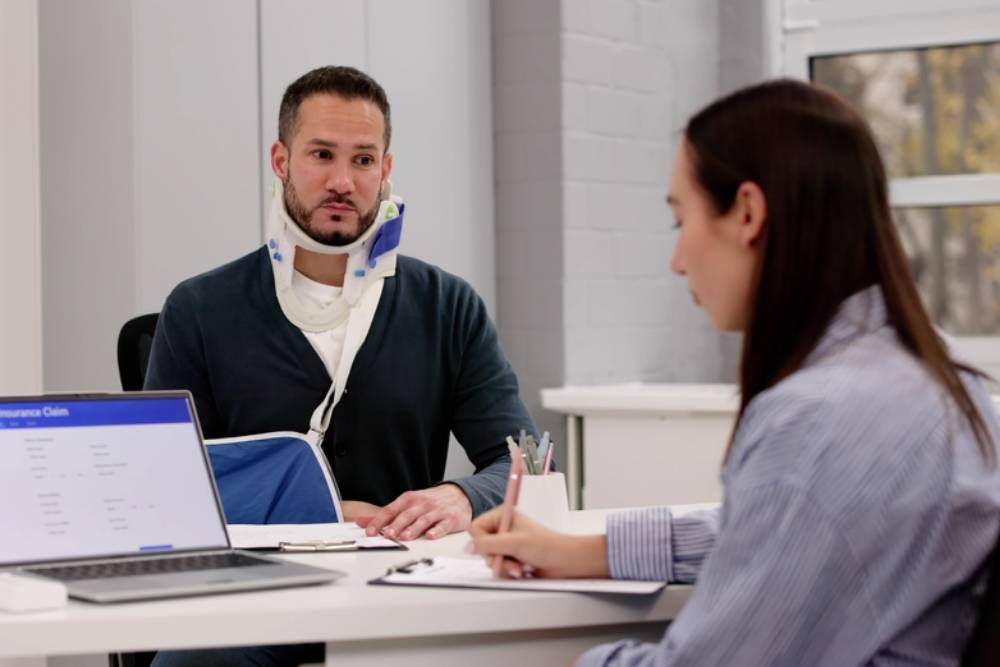 A sudden job-site accident can cripple family income in minutes, yet insurers rarely volunteer the full benefits you deserve. At Alta Legal, we help injured employees across Utah and Arizona understand every dollar on the table, from weekly wage replacement to permanent disability awards, so they can rebuild with confidence.
Schedule a consultation and let our attorneys translate medical evidence into maximum compensation.
Understanding Claim Value Drivers
Several factors shape a final settlement or award. Average weekly wage sets the baseline for temporary checks, while the cost of current and future treatment drives medical coverage. Severity ratings assigned by your physician determine permanent impairment payments. A seasoned workers’ compensation lawyer also weighs age, transferable skills, and realistic return-to-work timelines when projecting total value.
Key Types of Benefits Available
Workers’ compensation delivers five core benefit streams that replace wages, cover medical costs, and support long-term recovery. A dedicated workers’ compensation attorney makes sure each category is fully activated so the insurer cannot trim what state law guarantees.
- Medical care with no copays or deductibles
- Temporary total disability income during recovery
- Temporary partial disability if you return to lighter duty
- Permanent partial disability for lasting loss of function
- Vocational rehabilitation and mileage reimbursement
A diligent workers’ compensation attorney ensures each category is fully documented before negotiations begin, preventing insurers from slicing benefits on technical grounds.
Calculating Your Average Weekly Wage
State statutes rely on a 52-week earnings history to compute average wage, though substitute periods apply if you have held the job for less time. Overtime, bonuses, and concurrent employment can raise the figure, but only if timely evidence reaches the adjuster. Our team page explains how paralegals gather payroll records and contracts to maximise this benchmark and keep negotiating leverage high.
Evidence That Strengthens Your Case
Clear records turn good claims into great results. Timely reporting, detailed accident descriptions, and diagnostic imaging corroborate causation. Specialist opinions illustrate long-term limitations, while pain diaries reveal daily impact on quality of life. Eyewitness statements, supervisor reports, and workplace safety logs add persuasive power by confirming how and why the incident happened. Our practice areas section outlines how a work injury lawyer packages this evidence for hearings or settlement talks that push carriers toward fair offers.
Common Claim Challenges
Adjusters often question whether the injury arose out of employment, especially in repetitive-stress or off-premises scenarios. They may push surveillance footage or independent exams to downplay restrictions. If a doctor releases you too soon, weekly checks can stop even while pain persists. Our Utah attorneys secure second opinions and job-demand analyses, while the Arizona team manages procedural deadlines and settlement-conference scheduling to keep your claim moving.
Our Process for Estimating Value
During your initial consultation we collect wage statements, treatment plans, and functional-capacity evaluations. Using state schedules and recent verdicts, our firm calculates high-probability ranges for each benefit stream. We then include likely future surgeries, inflation, and tax offsets. Because insurers monitor lawyer performance records, our reputation for trial readiness often prompts higher offers without extended litigation.
Steps to Protect Your Compensation
Promptly report the incident, follow every medical recommendation, and keep copies of all bills. Avoid social-media posts that suggest full recovery. Stay within prescribed restrictions, and ask supervisors to confirm modified duties in writing. When disputes arise, request a pre-hearing conference early to limit delay tactics. Tracking mileage, pharmacy receipts, and wage gaps lets us present an accurate demand during mediation, which often accelerates resolution and reduces stress.
Secure Your Financial Recovery
Alta Legal has helped countless workers obtain full benefits after serious injuries. If mounting bills keep you awake at night, contact us today to start your no-cost evaluation. Let our firm pursue the compensation that keeps your household stable while you heal.